

Arguments about Race
In philosophy classes at the Open University, we are encouraged to challenge any argument that we think is wrong whether the argument was made by a fellow student, a tutor or the greatest philosopher of the twentieth century.
Can people argue freely on a fraught topic like race?
In one of the tutorials in my first module, our tutor had us discuss the famous Heineken adverts from the 70s and 80s (“Heineken refreshes the parts that other beers cannot reach”).
A quick refresher: this was from a golden age of advertising where most adverts were clever or funny or both. The Heineken adverts each had a protagonist struggling with a personal problem until they drank a can of Heineken and the beer made everything OK. In the ad we watched, a blues guitarist struggles to write a blues song while his life falls to pieces in the background.
The reaction from the class was immediate, loud and angry.
“That’s racist”.
I tried to argue that the ad should be interpreted in the context of the other ads in the series…. We should respect the culture that led to the blues… the blues is about misfortune… and, and, and… but my argument went nowhere and I was shouted down by people offended by a racist ad. It was impossible to have a discussion on such an emotional topic.
I’m too afraid of being on the wrong side of an argument about racism, so let me try a topic less fraught. My next module had a unit on sexism in the music industry in the 1960s.
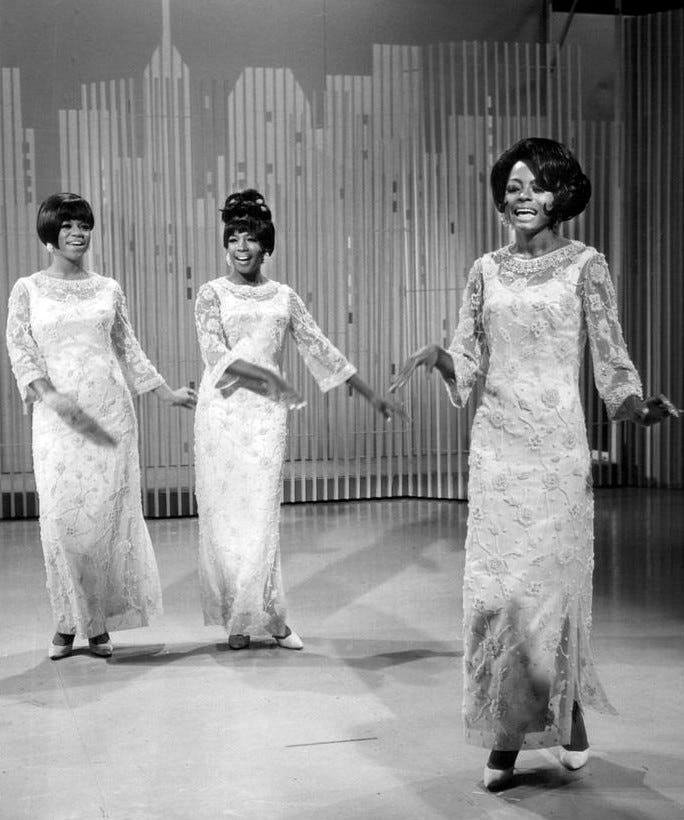
According to our textbook, girl bands in the 1960s had their images controlled by their record companies. They were made to all dress the same.
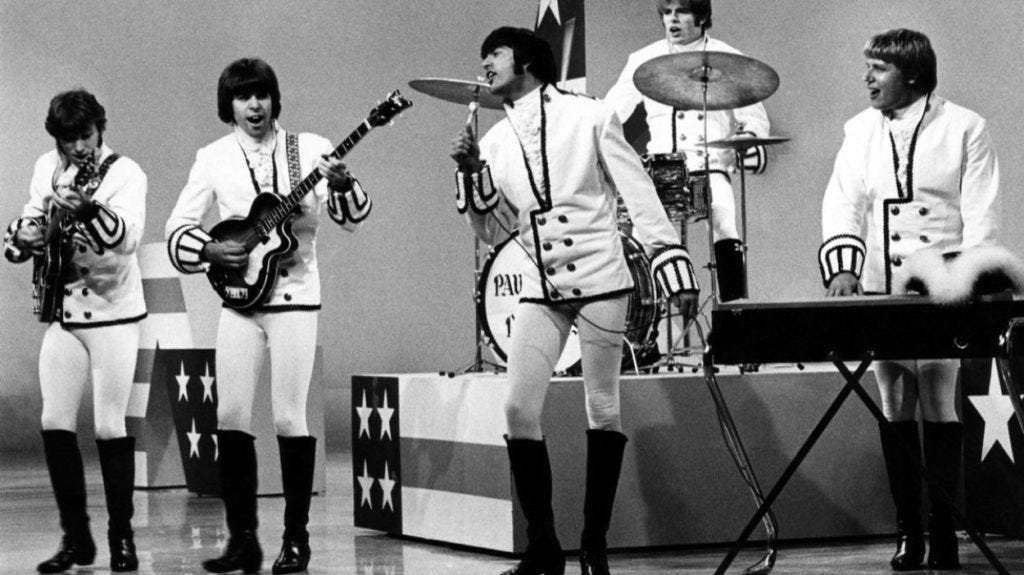
Individual girl performers lost their personal identities. According to the textbook, female artists never became famous in their own right, only as members of a group.
Female artists were discouraged from playing instruments and this held them back. At best, they were relegated to being the backup singer in a male band.
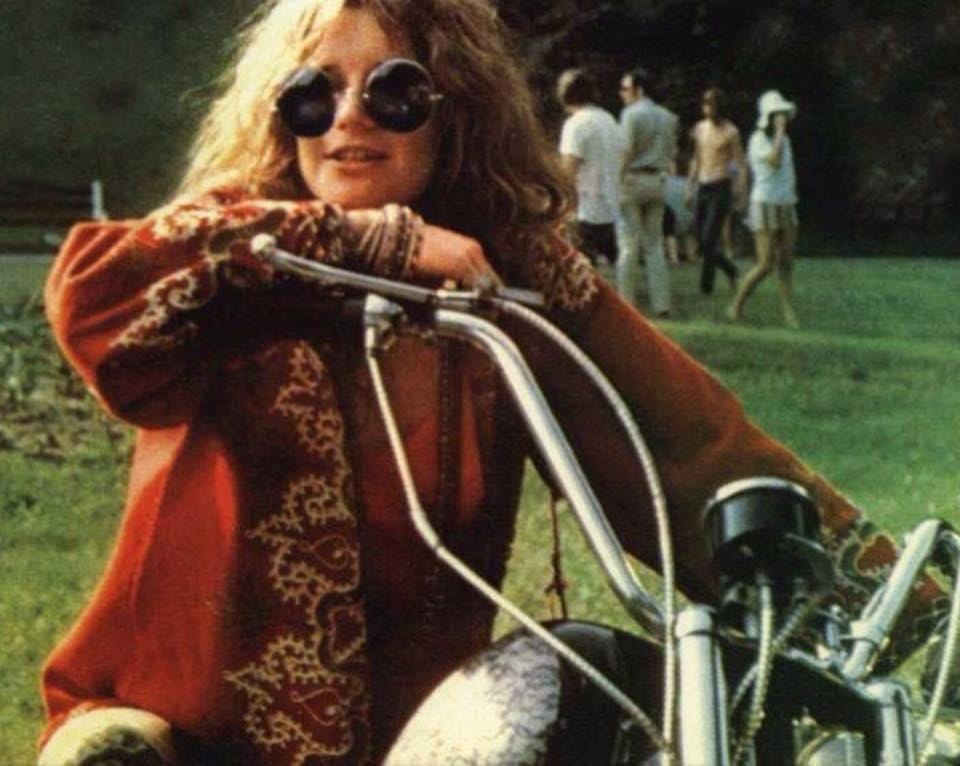
And, finally, female artists were only allowed to sing about love and their subservient role to their boyfriends.
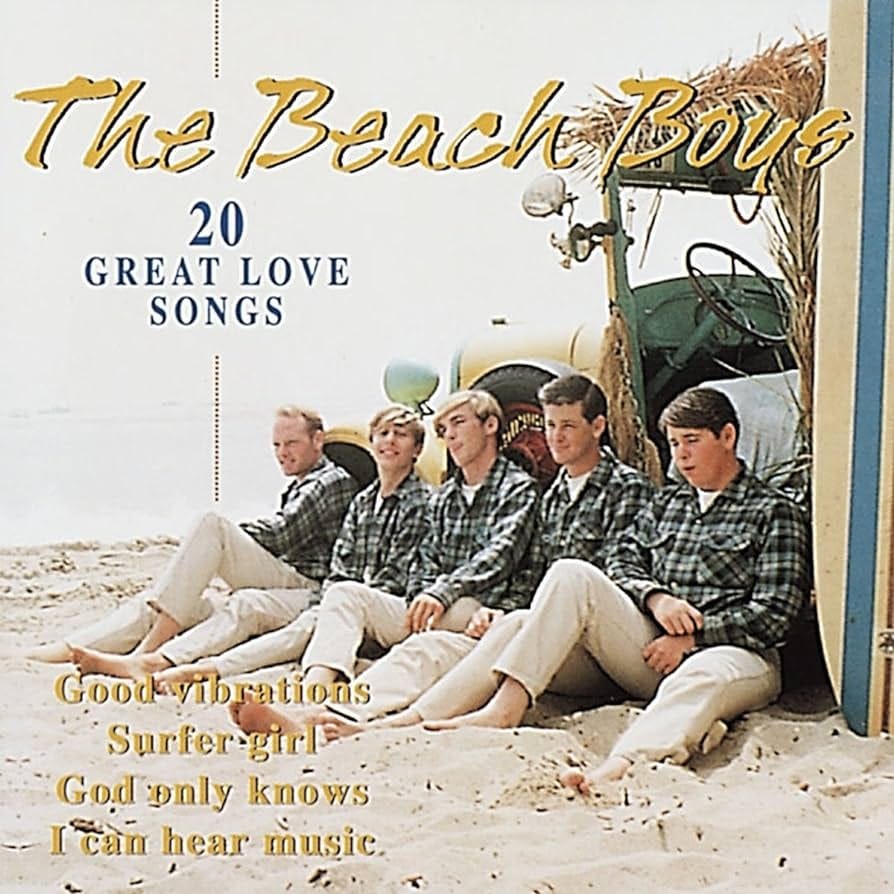
In short, all the evidence was cherry-picked to make political points and none of the arguments would last five minutes in a philosophy class.
Of course, there is and was an incredible amount of sexism in the recording industry, but the textbook did a terrible job of making that argument. It would have taken a brave, brave student to argue the opposite case. But that wasn’t a philosophy class. That was a Show How Sexist The Recording Industry Was In The 1960s class.
I wonder what arguments philosophy students would make in a class about race. I expect them to be too afraid to argue at all. Safer to just agree.
Societies seem to go through cycles – we were fortunate to live our early adulthood in the 70’s and 80’s when things were very liberal (in the ordinary sense of the word) in Europe and N. America at least, and people did not take themselves so seriously – I just re-listened to Peter Cook and Dudley Moore’s “Derek and Clive” recordings and it seems extraordinary now to realize they were actually produced and sold commercially. After that a kind of puritanism that almost parallels that of the Massachusetts Colony has gained strength, when it became socially acceptable to accuse (in most cases innocent) people of the most awful behaviors, and in some cases they lost their livelihoods as a result (in the 1600’s some lost their lives, so there has been progress). As Clown says – best to just keep quiet and simply avoid sensitive subjects lest you be accused of something awful, with possible real economic damage. There is a sense the pendulum is starting to swing back again – time will tell.